A documented trail of money, think tanks, and personnel from the 1933 Business Plot to Project 2025.
In 1933, a circle of Wall Street financiers allegedly hatched a plan to overthrow Franklin Roosevelt. They didn’t want to kill him. They wanted to keep him in his chair, smiling for photographs, while a puppet official — controlled by the men who paid for the operation — ran the country.
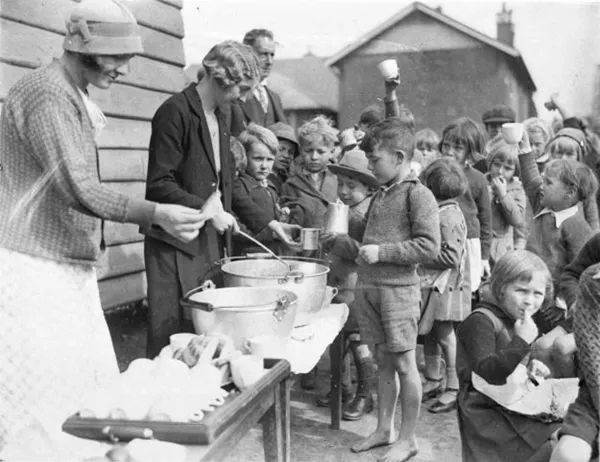
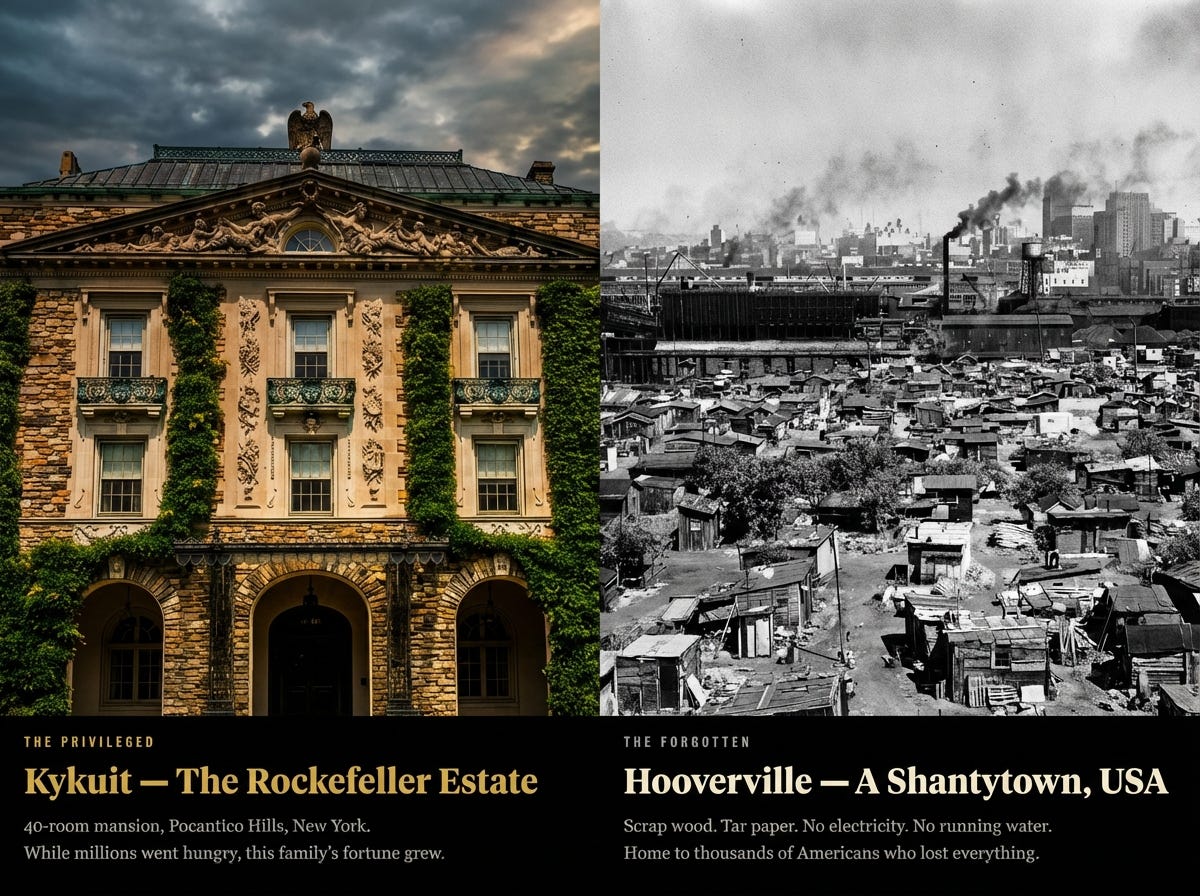
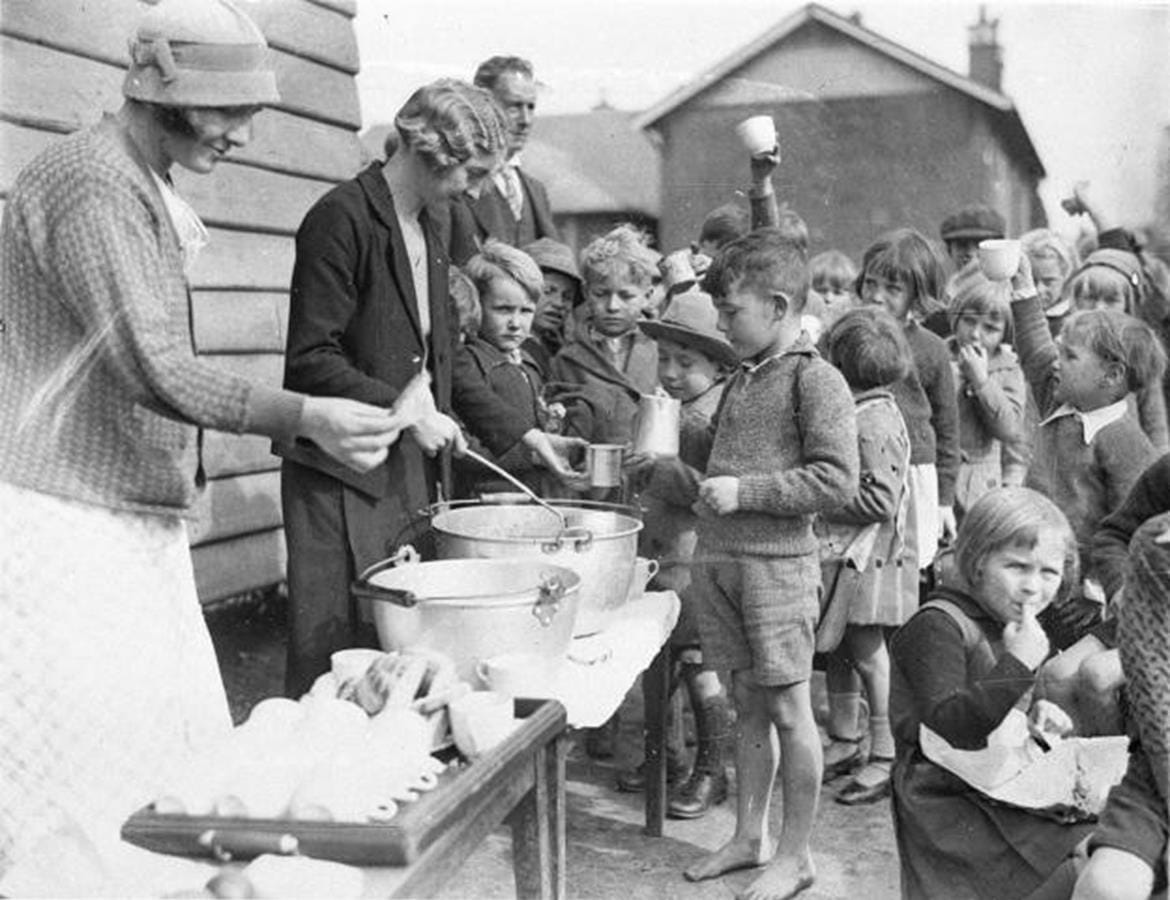
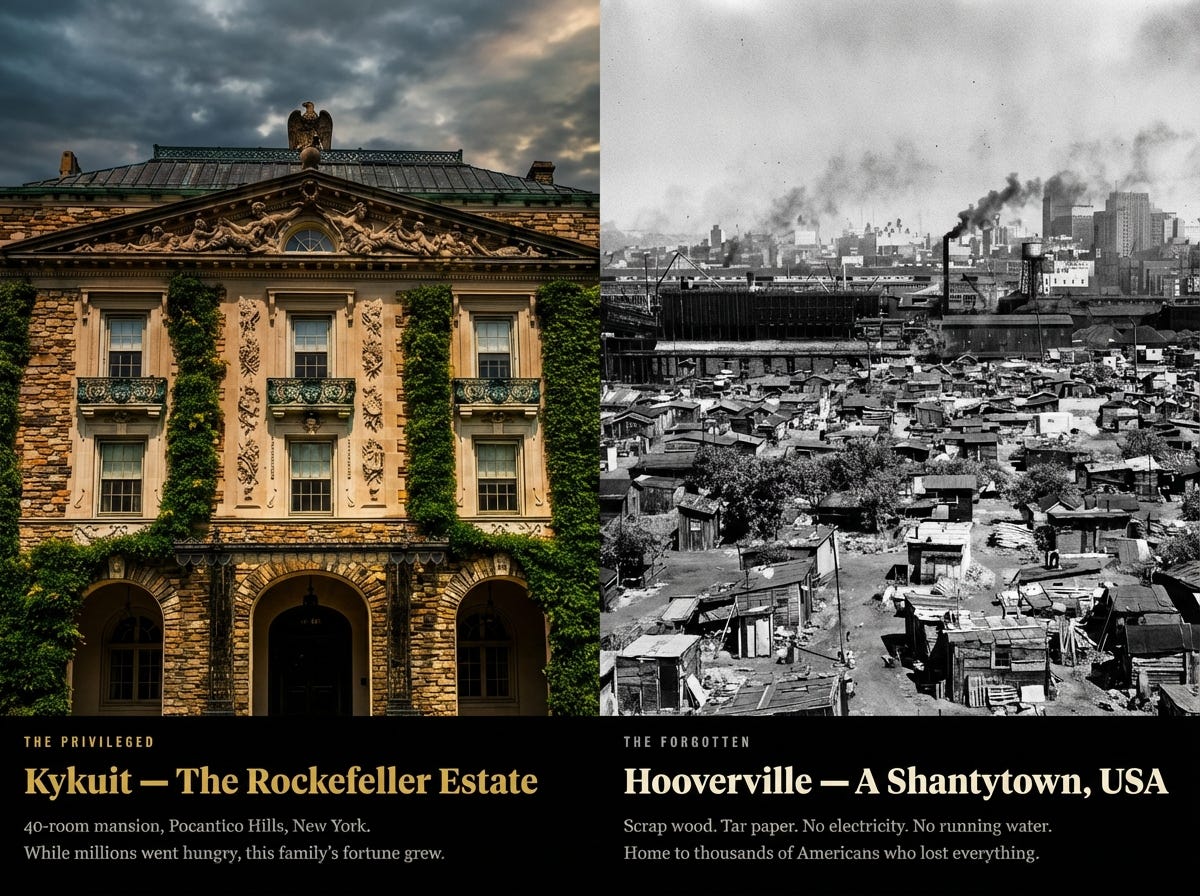
This was the during height of the Great Depression. For the average American, life was one in four men out of work, and the other three terrified they were next. Families lived in shacks made of scrap wood and tar paper. Children went to school hungry. Men walked miles every day looking for work that didn’t exist.

And while all of that was happening the richest families in America — the Du Ponts, the Rockefellers, the J.P. Morgan crowd — were losing their minds over FDR. They were used to running everything. And while they sat in their gilded dining rooms arguing over estate taxes, outside people were dying.
Much like today — the wealthiest 1% owned more than the bottom 40% combined — and these men had the nerve to call Roosevelts ideas dangerous.
Americans were suffering, and close to revolting, and FDR knew it. So, he started to put laws into place to help the average American instead of the ultra-wealthy. And the billionaires were pissed. So they started to scheme. The scheme (known as the Business Plot) failed. The scheme collapsed when the general they recruited refused to play along and reported it to Congress. No one was prosecuted. The ambition, however, never died.
That plan took nearly a century to complete. You may know it was “Mandate for Leadership” or “Project 2025.”
The same families whose fortunes bankrolled opposition to the New Deal — the capitalists who bankrolled an attempted government coup in the 1930s — have funded a network of think tanks, legal societies, and personnel databases that accomplish something the original capitalists could only dream of.
In this investigation, I’ll connect those pieces.
So, to give you some context.
In America, anyone that didn’t live in an industrialists or wall-street financiers family was in a crisis. They were starving to death. So, FDR enacted what was known as the New Deal. This was not one single law, but a collection of programs built around three goals: Relief, Recovery, and Reform. Relief meant getting immediate help to the suffering. Recovery meant restarting the economy. Reform meant changing the rules so it could never get this bad again.
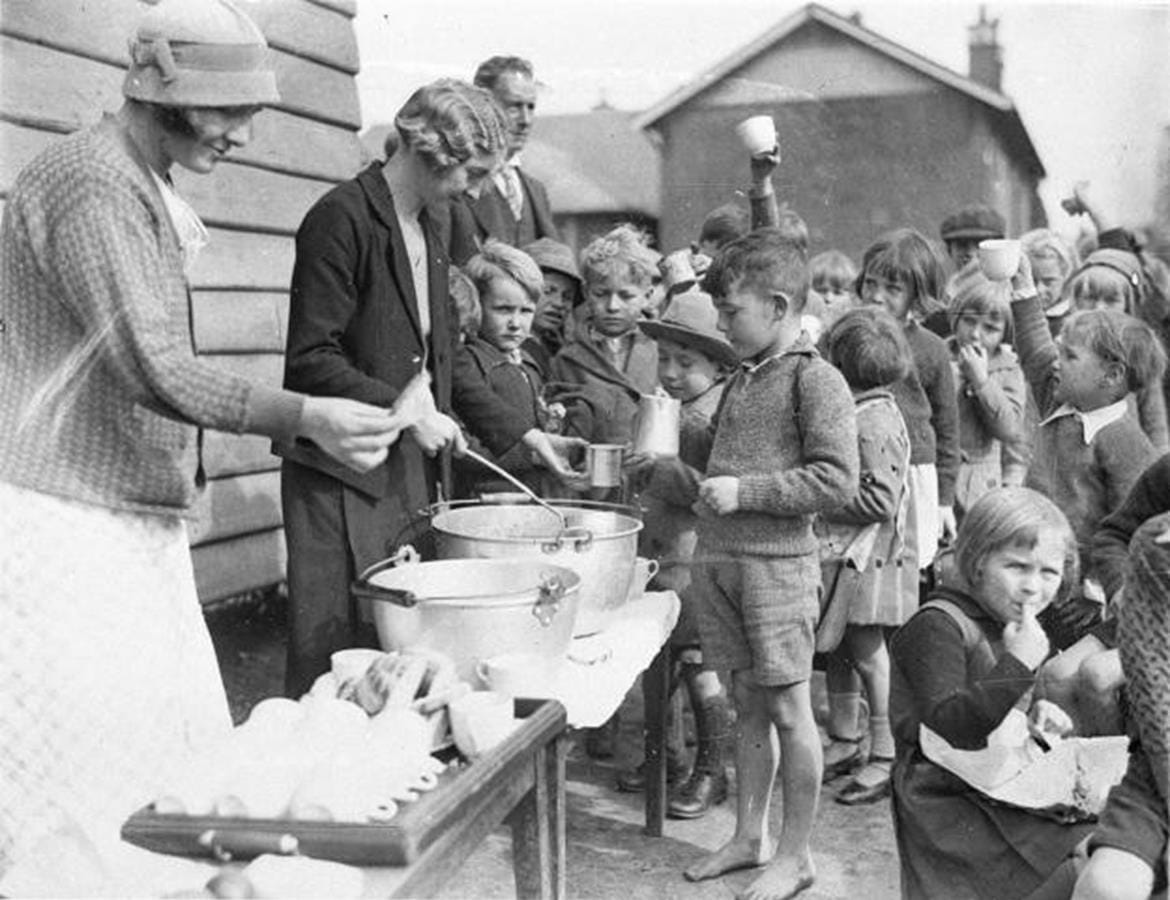
The Civilian Conservation Corps put hundreds of thousands of young men to work. The Tennessee Valley Authority brought electricity to seven states. The FDIC insured ordinary people’s bank deposits for the first time so their money was protected. The SEC put the government in charge of watching the stock market. The WPA gave 8.5 million people jobs, and they built roads, bridges, schools, and parks with their own hands.
And for the worker everything changed. For the first time, the government drew a line in the dirt and said: you cannot be worked to death for nothing.
The new deal gave workers the right to unionize, the 8-hour workday, a minimum wage., the abolition of child labor, and a Social Security check waiting for you if you lived long enough to stop working.
That is why America didn’t revolt. Not because people stopped being angry but because for the first time in a generation, it appeared that the government was visibly, concretely, undeniably on their side.
This was a direct assault on the idea that the government owed the rich everything and the poor nothing. It helped by putting millions back to work, stabilizing banks, feeding the hungry, and for the first time in a generation, making ordinary people feel like this country actually belonged to them.
The Plot and the People Behind It
The Business Plot, as it came to be known, was not hatched by fringe actors. The men named in congressional testimony (Grayson M.-P. Murphy (a Morgan banker), Irénée du Pont, John W. Davis (J.P. Morgan’s chief counsel), and former Democratic National Committee chairman John Jacob Raskob were among the most powerful financiers in America.
They hated Roosevelt’s New Deal.
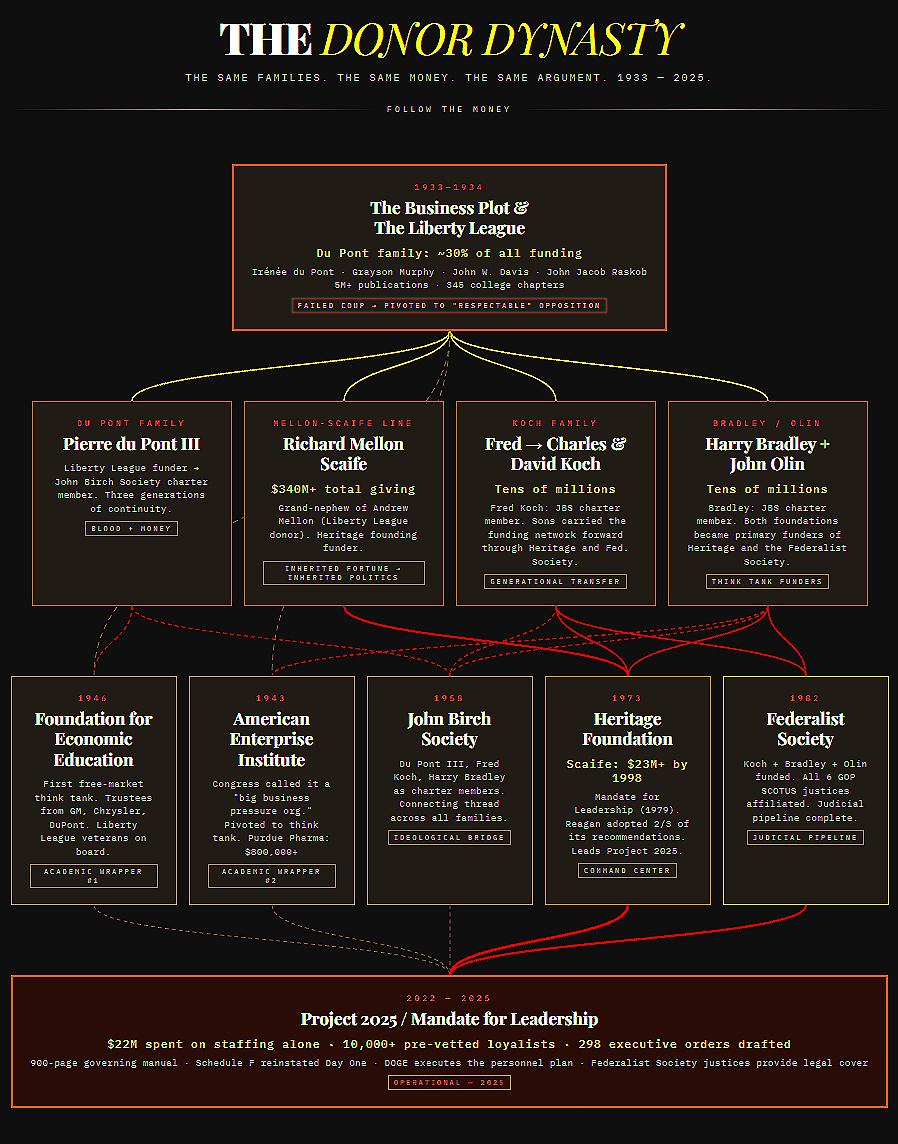
When their coup failed, they got up, and decided to try again. In 1934, the same cast founded the American Liberty League, the “respectable” face of elite opposition to the New Deal. The du Pont family provided roughly 30% of its funding.
The League distributed over five million publications, built 345 college chapters, and mounted constitutional challenges to New Deal legislation. They argued that programs like the Wagner Act (that gives Americans the right to unionize) violated property rights and exceeded federal power.
The arguments were sophisticated, but the goal was unchanged… they needed to protect their concentrated wealth from democratic interference. Roosevelt won in a 1936 landslide. The League dissolved, but the donor network didn’t.
Following the Money
What followed was not coincidence but continuity that is documented in foundation tax filings, archival papers, and three generations of overlapping board memberships.
The Foundation for Economic Education, America’s first modern free-market “think tank,” launched in 1946 with trustees and board members drawn from the executive ranks of General Motors, Chrysler, and DuPont.
The American Enterprise Institute, founded as the League was collapsing, carried the same agenda in a more ‘academic’ wrapper. The AEI still exists today — where members lobby for pharmaceutical companies who later “donated” them hundreds of thousands of dollars — among other ultra-wealthy corporations.
Interesting Fact: Dr. Sally Satel, the AEI scholar exposed by ProPublica for publishing articles that downplayed OxyContin's role in the opioid crisis while citing research paid for by that company, was later sponsored by Vice President JD Vance's nonprofit, Our Ohio Renewal, which paid for her year-long residency in Appalachian Ohio.
Then came the John Birch Society. Founded in 1958, its charter members included Fred Koch — father of Charles and David — and Harry Bradley, whose foundation would become one of conservatism’s largest funders. Pierre S. du Pont III provided a direct family link across organizations.
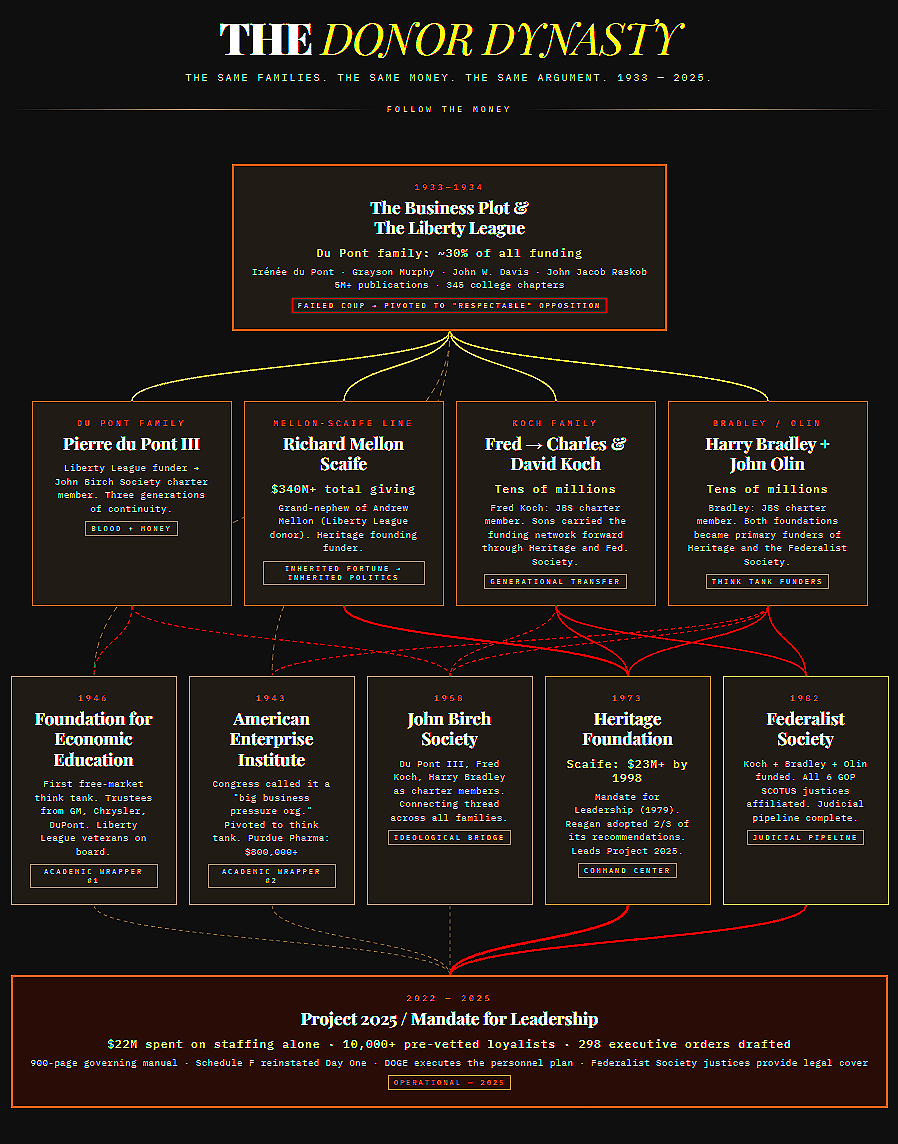
Fred Koch had built refineries for both Stalin and Hitler before becoming a fierce anti-communist; his son Charles held a lifetime JBS membership until 1968.
The Mellon-Scaife line is the most traceable of them all.
Andrew Mellon (Treasury Secretary under three presidents and a Liberty League donor) passed his fortune and his politics down through his family.
His grand-niece’s son, Richard Mellon Scaife, contributed approximately $900,000 to the Heritage Foundation in its founding year.
By 1998, his foundations had given Heritage more than $23 million. His total documented giving to conservative causes exceeded $340 million. Koch, Bradley, and Olin foundations added tens of millions more to Heritage and to the Federalist Society, the organization that moved originalist constitutional theory from the ‘legal fringe” group to the Supreme Court majority.
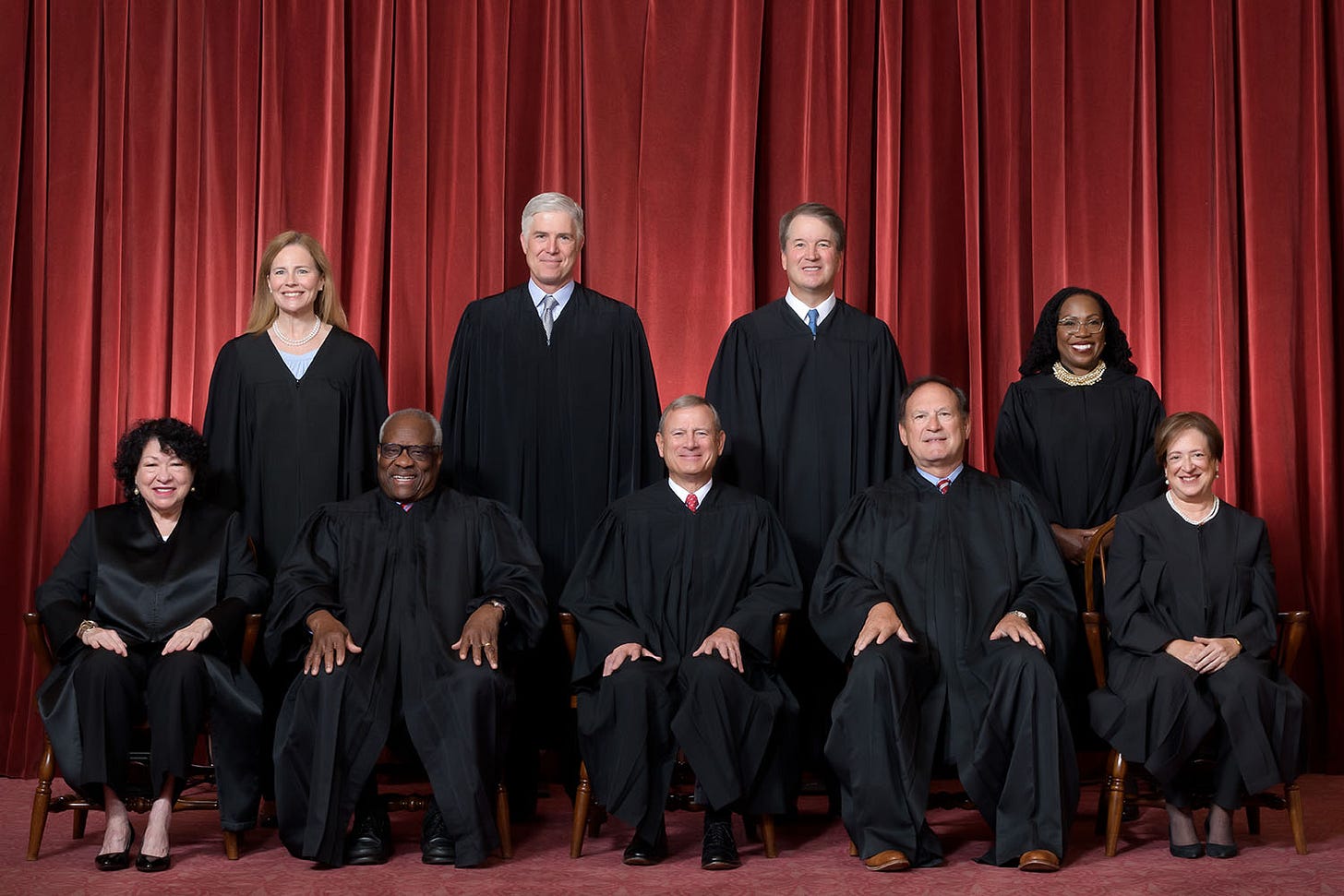
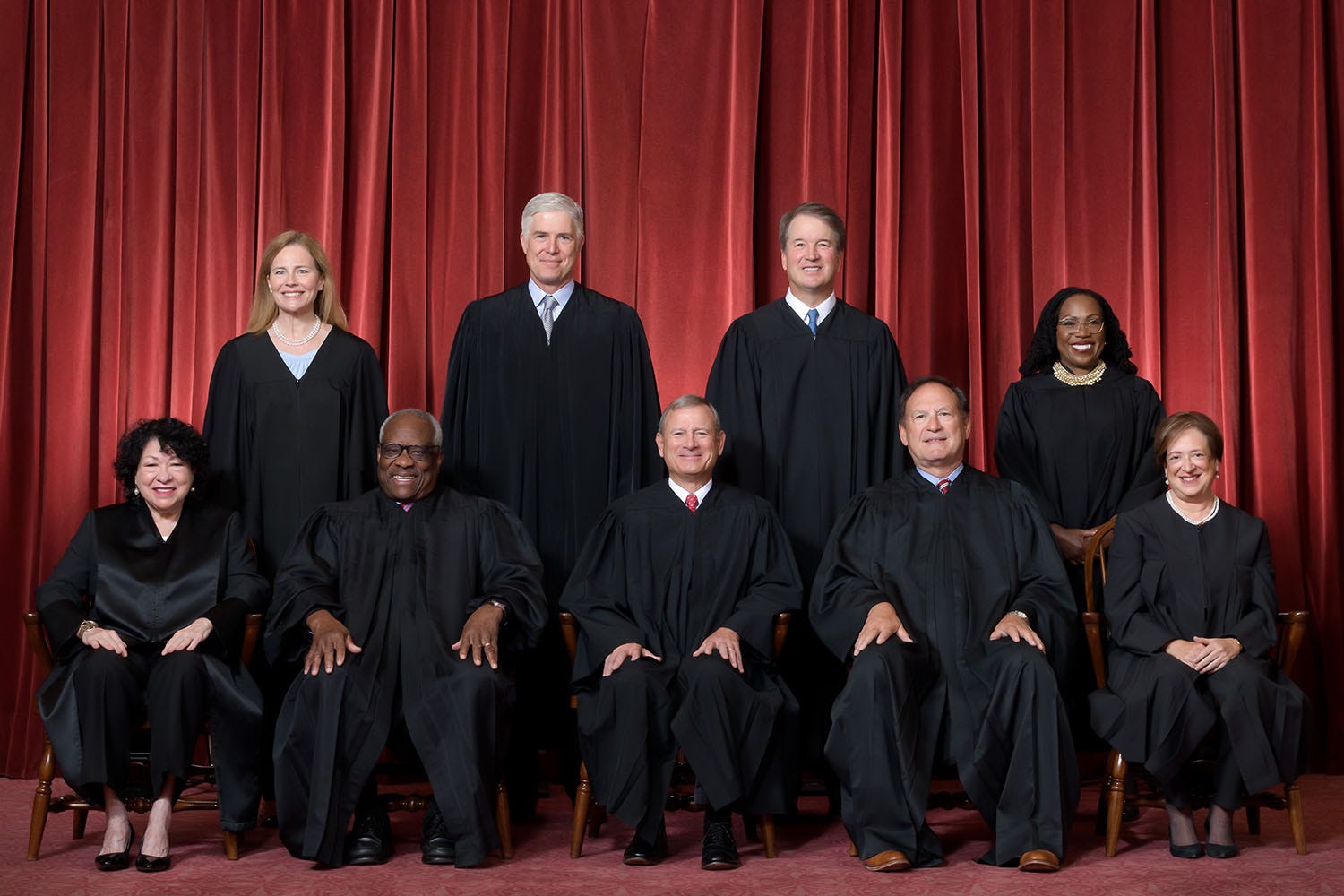
Samuel Alito, Clarence Thomas, Brett Kavanaugh, Neil Gorsuch, Amy Coney Barrett, and Chief Justice John Roberts. All six Republican-appointed justices currently on the Court are affiliated with the Federalist Society.
- The Liberty League declared its mission to “defend and uphold the Constitution” and “foster the right to work, earn, save, and acquire property.”
- The Federalist Society’s stated objectives are “checking federal power, protecting individual liberty and interpreting the Constitution according to its original meaning.”
The same argument. The same families. The same money.
The Vessel
The Business Plot’s fatal flaw was its crudeness. They wanted to take control pay paying 500,000 starving veterans to march on Washington.
What the donor network eventually understood (thanks to Lewis Powell’s 1971 memorandum to the U.S. Chamber of Commerce) was that you don’t need an army. You need a system.
The Heritage Foundation's Mandate for Leadership is a conservative “governing manual” that tells an incoming president exactly what to do and how to do it. It started in 1979 and Reagan was the first president to run with it. He handed copies to his whole cabinet on day one and stacked his administration with the people who wrote it.
Tax cuts, deregulation, shrinking federal agencies it all came from that book. Reagan later called Heritage a "vital force" in his presidency.
The Mandate For Leadership document is a 900-page, department-by-department manual for dismantling the federal administrative state, written by over 350 former officials, ready for a president’s signature on Day One.
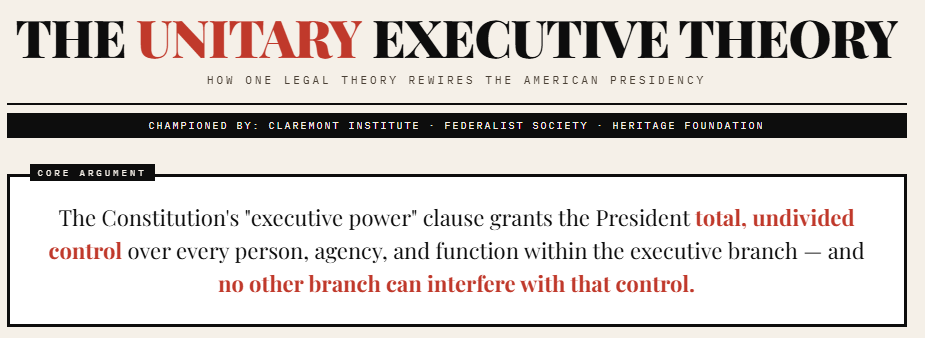
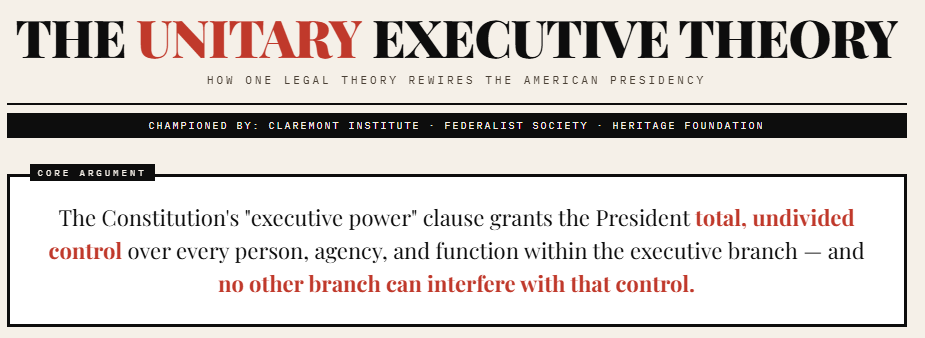
The America First Policy Institute has prepared hundreds of additional executive orders. The Claremont Institute provides the legal structure through the Unitary Executive Theory, which argues a president should have total control over the federal workforce and government. No more checks and balances.
The final part is personnel.
Heritage has spent tens of millions building a database of thousands of pre-vetted political loyalists ready to fill the roughly 4,000+ open-positions — many of which the administration has already opened up with DOGE in 2025. The way they do this is through Schedule F. Which is a policy to reclassify 50,000 career civil servants as at-will employees, removable by any president who gives an inconvenient order.
Schedule F is something we first saw during the first Trump administration, and he brought it back with an executive order on day one of the second.
The structure is complete: think tanks write the policy, the personnel database installs the staff, and Federalist Society-vetted judges uphold the result in court. The president provides the electoral mandate and the signature. He doesn’t need to know how the Department of the Interior works.
In 1934, they wanted a general. Today, they just need a pen.